
 HOME
HOME  PRODUCTS
  PROMOTIONS
  ARRIVALS
 PARTNERSHIP
 SUPPORT
 ABOUT US
How to Extend the Lifespan of Your Sanding Belts
Learn practical techniques to dramatically extend the lifespan of your sanding belts. From correct tension and heat control to proper belt selection and maintenance, this guide shows how small habits can save money, improve performance and keep your belts cutting cleanly for longer.
Key Techniques for Maximizing the Life of Your Sanding Belts
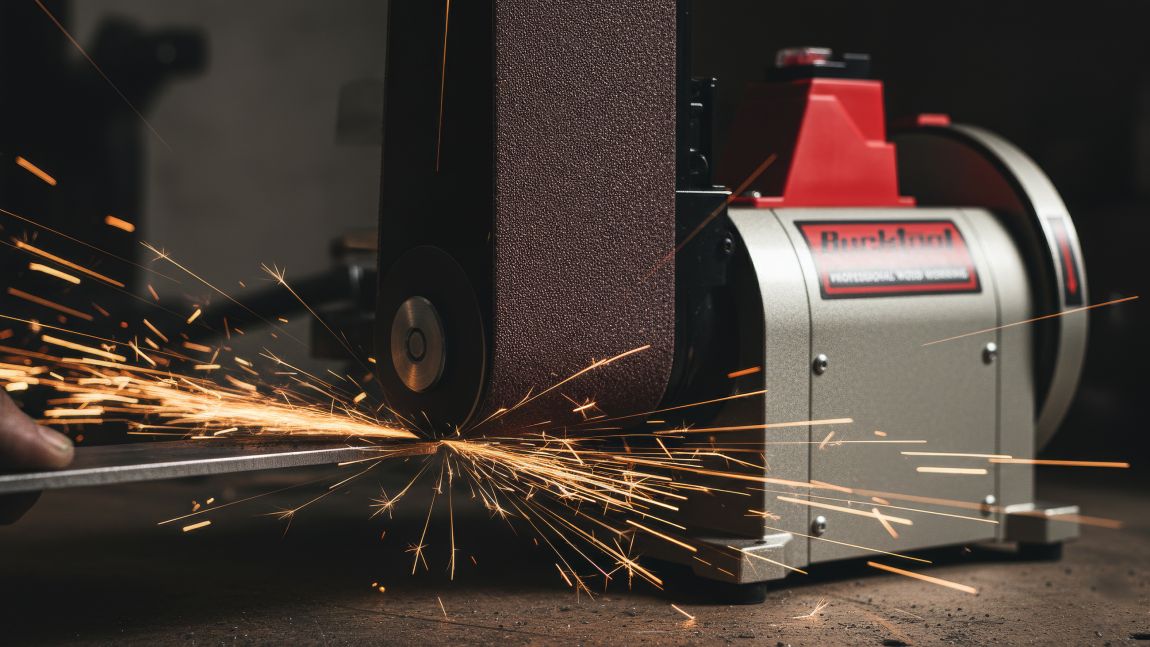
Sanding belts are consumable items, but they do not have to be consumed quickly. With proper setup, correct technique and basic maintenance, you can significantly extend the lifespan of your belts and save both time and money in the workshop. Whether you use a belt & disc sander combo for knife making, metalworking or woodworking, the same principles apply.
Understand Why Sanding Belts Wear Out
Before you can make sanding belts last longer, it helps to know what usually destroys them:
- Excessive heat – overheating can glaze the abrasive, burn the backing and cause the belt to crack or delaminate.
- Too much pressure – forcing the workpiece into the belt strips the abrasive grains prematurely.
- Clogging – soft metals and resinous woods can load the belt, filling the spaces between the grains.
- Incorrect tracking or tension – misaligned belts can wear unevenly or tear at the edges.
- Using the wrong grit or belt type – inappropriate abrasives force you to work harder and generate more heat.
Once you recognize these factors, it becomes much easier to prevent a lot of unnecessary wear.
Choose the Right Belt for the Job
Using a belt that is designed for your specific material and application is the first step toward a longer lifespan.
- For heavy stock removal on steel: Use coarse grits (36–60) with durable abrasives like zirconia or ceramic. These grains stay sharp longer under pressure.
- For shaping and refining edges: Medium grits (80–120) provide a good balance of removal rate and surface quality.
- For finishing and polishing: Fine grits (150+) or structured abrasives reduce heat and produce a controlled finish.
- For woodworking: Use open-coat belts that resist clogging when sanding soft or resinous woods.
Matching belt type to material allows the abrasive to cut efficiently instead of scraping and overheating.
Set Correct Belt Tension and Tracking
Improper tension and poor tracking are silent belt killers. If the belt runs too loose, it can slip, wrinkle and tear. If it is too tight, the joints and backing are overstressed.
Follow these basic guidelines:
- Use the tensioning mechanism recommended by the manufacturer and avoid overtightening.
- After installing a new belt, run the machine at low speed (if available) and adjust tracking so the belt stays centered on the rollers.
- Check tracking again after the belt has warmed up; minor adjustments are often necessary.
A properly tensioned and well-tracked belt runs straight, smooth and cool, which naturally prolongs its life.
Let the Abrasive Do the Work
One of the most common mistakes is applying too much pressure to speed up material removal. This usually has the opposite effect: the belt overheats, the abrasive dulls quickly and the backing breaks down.
Instead, apply steady, moderate pressure and let the abrasive grains cut at their own pace. If you need to remove material faster, switch to a coarser grit rather than pushing harder on a fine belt. On direct-drive belt sanders, you will feel when the belt is cutting efficiently—there is a consistent sound and the machine does not bog down.
Control Heat Build-Up
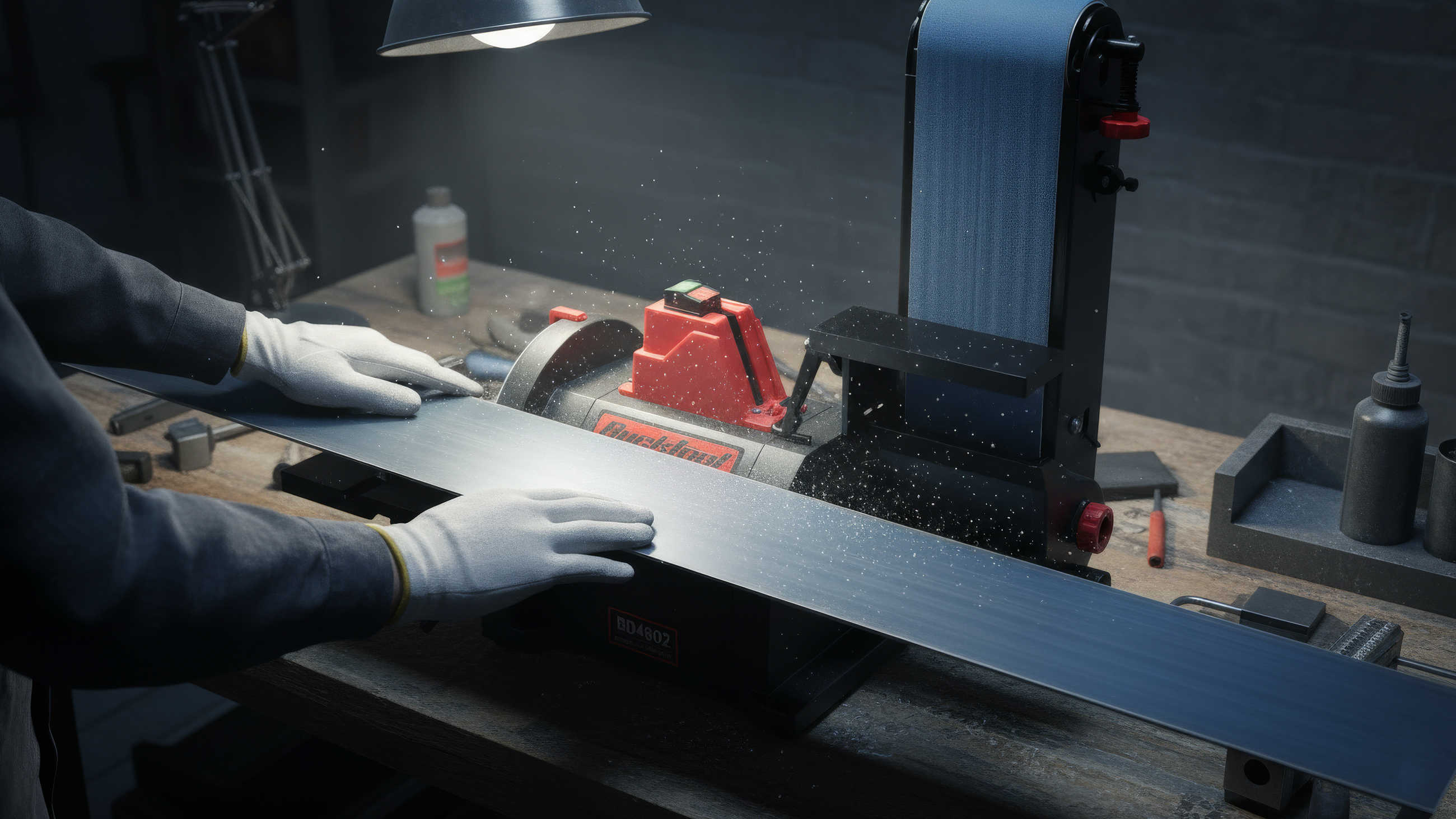
Heat is the number one enemy of sanding belts, especially when working on metal. To keep temperatures under control:
- Use fresh, sharp belts that cut cleanly instead of rubbing.
- Make short passes and lift the workpiece periodically to allow the belt to cool.
- Use the full length of the belt, not just one area, to spread the heat across a larger surface.
- For heat-sensitive work, consider wet grinding or using a belt lubricant designed for metal.
If you see discoloration on the workpiece or smell burnt material, your belt is too hot and its life is already being shortened.
Prevent Clogging and Glazing
Loaded belts are inefficient belts. When resin, paint, aluminum or soft woods clog the spaces between abrasive grains, the belt stops cutting and starts polishing. This generates heat and destroys the belt.
To avoid this:
- Use belts with an open coat design on soft woods and gummy materials.
- Keep a belt cleaning stick (abrasive cleaning block) near the machine and use it regularly while sanding.
- Do not mix materials on the same belt—for example, avoid sanding aluminum and then steel with one belt.
Regular cleaning can dramatically extend belt life, especially in woodworking applications.
Use the Entire Belt Surface
Many users unknowingly wear out one narrow strip of the belt while the rest remains almost unused. To get full value from each belt, make a habit of moving the workpiece across the width and length of the belt during grinding.
This distributes wear evenly, keeps the belt cooler and gives you more predictable results over time. On longer belts, such as 4×36" or 100×915mm, this can easily double the effective life of the abrasive.
Store Belts Correctly
Even the best sanding belt will not last if it is stored in poor conditions. Humidity, extreme temperatures and direct sunlight can damage the backing and weaken the glue joints.
For best results:
- Store belts in a cool, dry place away from direct heat or sunlight.
- Hang them on wide hooks or lay them flat; do not fold or crease the belts.
- Avoid storing belts near sources of moisture, such as concrete floors or exterior walls.
Proper storage ensures that belts retain their flexibility and strength until you are ready to use them.
Inspect Belts Regularly and Rotate Them
Before every session, quickly inspect your belts for cracks, damaged joints or severe glazing. Replacing a failing belt early is safer and often cheaper than pushing it until it breaks during use.
If you keep several belts of the same grit, rotate them periodically. Using them in rotation evens out wear and prevents one belt from taking all the heavy work.
Small Habits, Big Savings
Extending the lifespan of your sanding belts is not about one big change, but about many small, consistent habits: choosing the right abrasive, setting correct tension, avoiding excessive pressure, controlling heat, cleaning the belt and storing it correctly. When combined, these practices can significantly reduce consumable costs while improving the quality and consistency of your grinding and sanding work.
With a well-adjusted belt sander and a bit of care, every sanding belt in your workshop can deliver more cuts, better finishes and a much longer useful life.
Last articles