
 HOME
HOME  PRODUCTS
  PROMOTIONS
  ARRIVALS
 PARTNERSHIP
 SUPPORT
 ABOUT US
How to Choose the Ideal Bench Grinder for Your Workshop
Choosing the right bench grinder can dramatically improve precision, efficiency and workflow in your workshop. This guide breaks down motor power, wheel sizes, grinder types and key features to help you pick the perfect model for metal, wood or knifemaking projects.
Essential Factors to Consider When Selecting a Bench Grinder
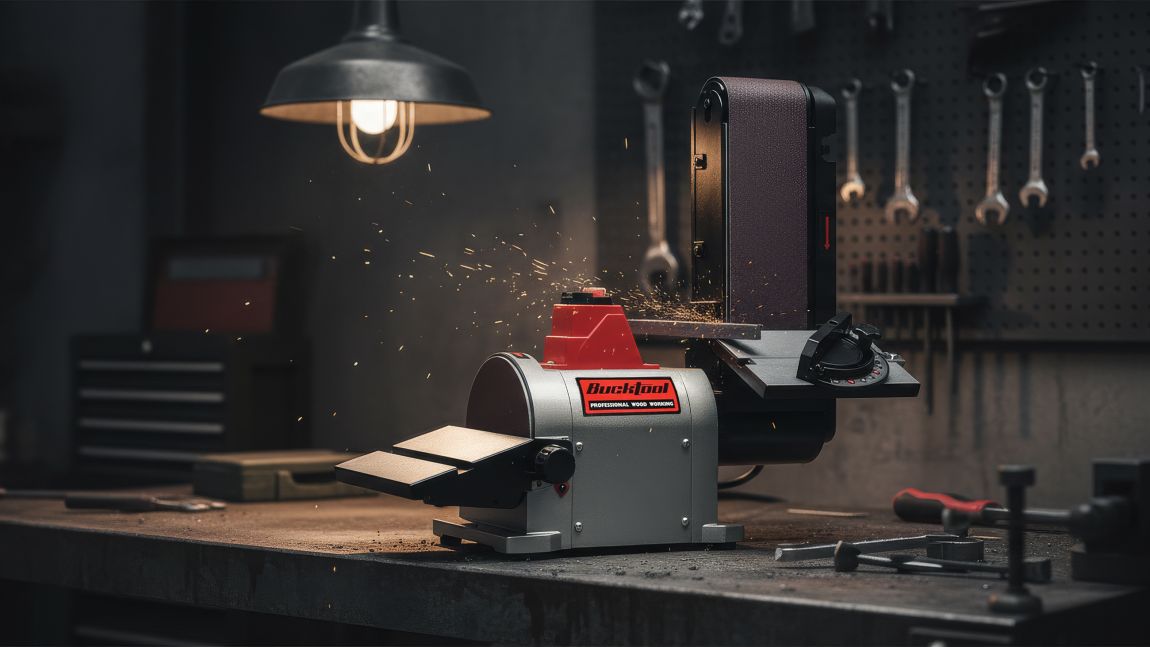
Whether you are a knife maker, metalworker, woodworker, or DIY enthusiast, a bench grinder is one of the most valuable tools you can add to your workshop. It sharpens blades, shapes metal, removes rust, polishes surfaces, and prepares materials for further finishing. But with so many models, motor powers, wheel sizes, and configurations available, choosing the ideal bench grinder can feel overwhelming—especially if you want a machine that will perform reliably for years.
This guide will help you understand the key features, differences, and specifications to look for when selecting the perfect bench grinder for your needs.
1. Determine the Main Purpose of Your Grinder
The first step is understanding what you will use the grinder for. Different applications require different levels of precision, power, and wheel types.
Metalworking & Fabrication: Users who shape steel, deburr components, grind welds, or create custom metal parts need a grinder with strong torque and consistent speed under load. A higher-power grinder is usually the best choice.
Knife Making: Knife makers typically prefer belt grinders, wet grinders, or combination systems that allow controlled shaping, bevel refinement, and honing. If you sharpen blades regularly, a wet grinder (like a 180–200mm water-cooled system) is ideal for cool, precise sharpening.
Woodworking: Woodworkers use bench grinders mainly for sharpening chisels, gouges, and turning tools. For them, smooth operation and low vibration are essential. Wet grinders or fine-grit wheels are common preferences.
General Workshop Use: If you need a versatile machine for occasional sharpening, surface prep, or polishing, a compact grinder or a belt/disc combo offers the best all-around capability.
2. Choose the Appropriate Motor Power
Motor power is one of the most important factors because it determines how smoothly the grinder maintains speed when pressure is applied. A weak grinder slows down under load, affecting accuracy and consistency.
- 250W Bench Grinders: Great for hobby use, sharpening small tools, and general tasks. Lightweight and easy to control.
- 500W Bench Grinders: A balance between power and precision. Suitable for metal shaping, woodworking tools, and more frequent use.
- 700W+ Heavy-Duty Grinders: Best for professionals, continuous workloads, and demanding grinding or deburring jobs.
For workshops that handle both metal and wood, a mid-range 500W–700W grinder is often the ideal choice, delivering strength without sacrificing precision.
3. Wheel Size and Type Matter
Bench grinders typically come with 150mm or 200mm wheels, and the size you choose influences speed, control, and application.
- 150mm (6”) Wheels: More compact, great for smaller workshops or fine sharpening tasks. Ideal for hobbyists and woodworkers.
- 200mm (8”) Wheels: Provide a larger contact surface, run cooler, and deliver better performance for metalworking and heavy grinding.
The wheel type is equally important:
- Coarse wheels (36–60 grit): Best for fast material removal.
- Medium wheels (80–120 grit): Ideal for shaping and edge refinement.
- Fine wheels (150+ grit): Perfect for sharpening tools that require precision.
- Wet grinding wheels: Reduce heat and prevent blade damage—excellent for knives, scissors, and woodworking tools.
4. Consider a Belt & Disc Combination Grinder
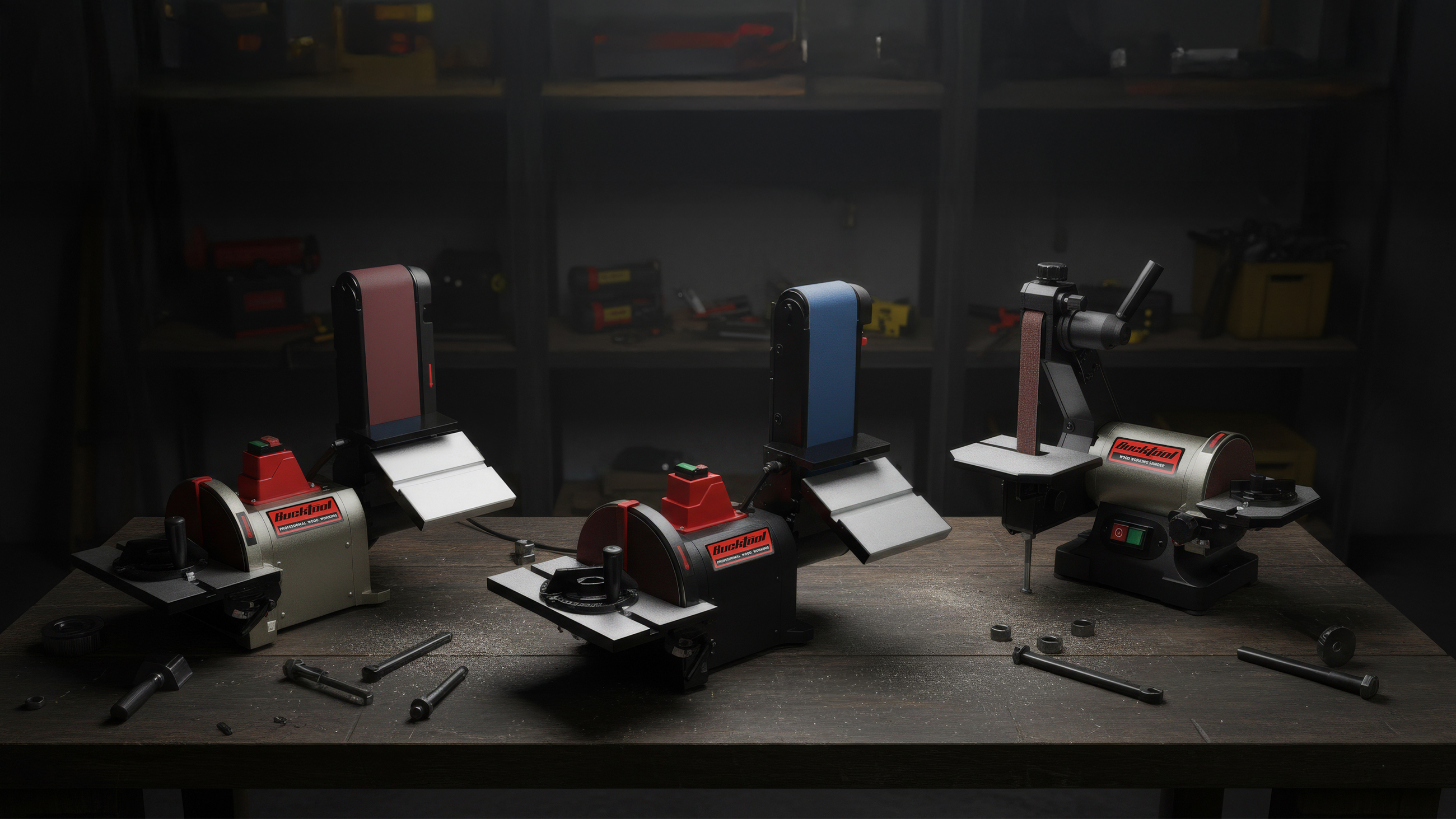
Many modern workshops benefit from a combination belt and disc sander, especially when precision shaping is required. A belt grinder is more versatile than a traditional wheel grinder, making it ideal for:
- Knife bevel shaping
- Contouring metal parts
- Smoothing wood edges
- Preparing surfaces for welding
The addition of a disc sander provides square and accurate grinding for joints, angles, and finishing. Models like the Bucktool 4×36” belt and 6” disc combinations offer unmatched versatility for both metal and wood.
5. Look for Direct-Drive Systems for Maximum Efficiency
Traditional grinders use a belt-driven motor, which can introduce vibration and reduce power transfer. Direct-drive models eliminate the belt, delivering smoother operation, lower maintenance, and dramatically improved efficiency.
A direct-drive grinder retains full torque at all speeds, making it the preferred choice for professionals who demand consistent performance.
6. Stability, Build Quality, and Vibration Control
A well-built bench grinder should feel stable, solid, and smooth during operation. Look for features such as:
- Cast-iron or cast-aluminum base for stability
- Precision-balanced motor for reduced vibration
- Rubber feet or mounting holes for fixed installation
- Adjustable tool rests for accurate positioning
- Safety shields and spark guards
Excess vibration leads to uneven grinding, premature wheel wear, and user fatigue, so quality construction is worth the investment.
7. Wet vs. Dry Grinding
Dry grinders are faster and better for quick shaping, metal removal, and general workshop tasks. Wet grinders operate at low speed with water cooling, protecting blades from overheating and ensuring razor-sharp results.
If you frequently sharpen knives, chisels, or fine woodworking tools, a wet grinder is an invaluable addition to your setup. Many workshops benefit from using both types.
8. Choose Based on Your Long-Term Workflow
Selecting the ideal bench grinder is not about choosing the most powerful machine, but about choosing the machine that best supports your daily workflow. Whether you prioritize detailed sharpening, heavy material removal, knifemaking, woodworking, or multi-purpose versatility, the right grinder will increase productivity, improve precision, and elevate the quality of your projects.
By understanding the key factors—power, wheel size, grinding style, build quality, and intended application—you can confidently choose a bench grinder that will serve your workshop for many years.
Last articles